Why Did Jelous Spray Over the GTA VI Mural in Brooklyn?
Graffiti artist Jelous recently defaced a GTA VI mural in Brooklyn. What does this mean for the game's fandom?
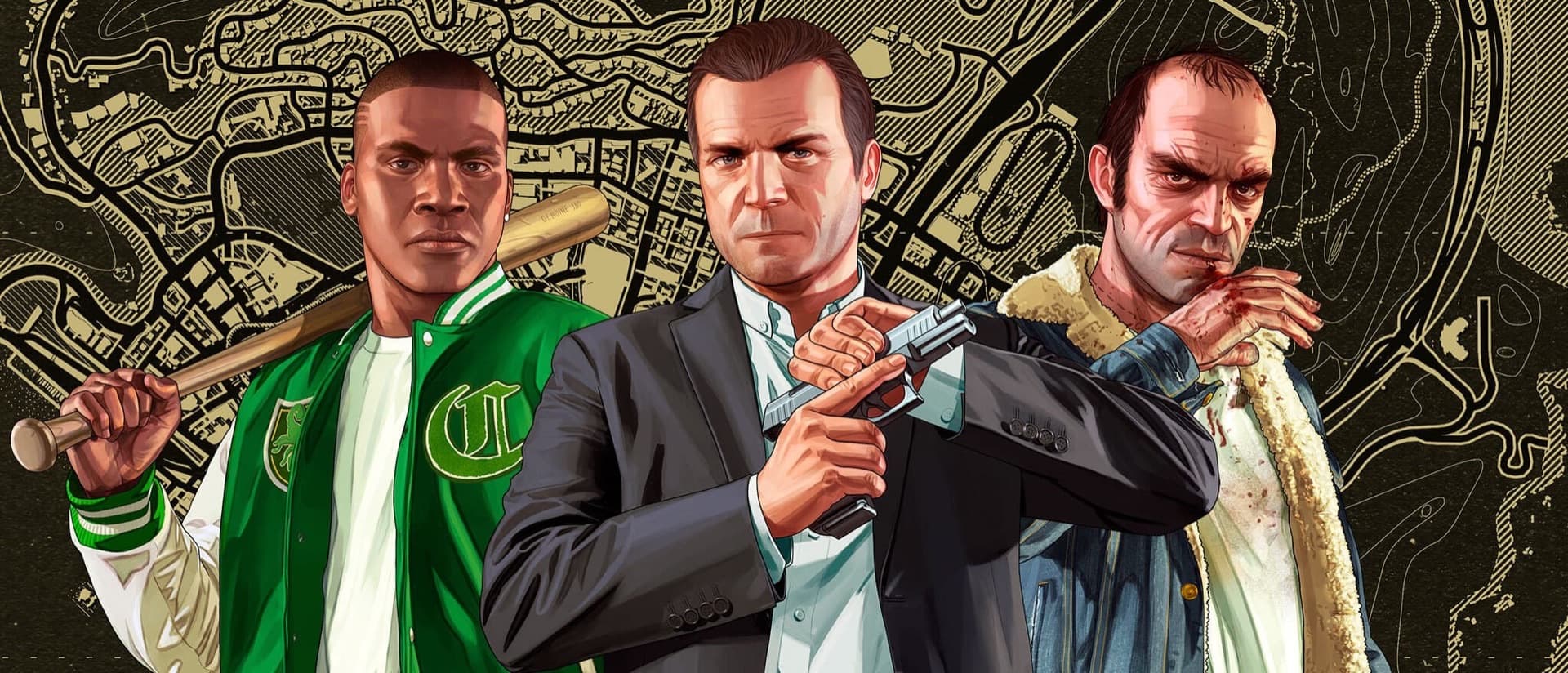
Screenshot © Rockstar Games (official press kit)
This article may discuss unverified claims. Proceed carefully.
Quick answer
Graffiti artist Jelous spray-painted over a GTA VI mural in Brooklyn, raising questions about artistic expression and fandom. This act reflects ongoing tensions in urban art culture.
In recent news, graffiti artist Jelous made headlines by spraying over a mural dedicated to GTA VI in Brooklyn. This incident raises important questions about the intersection of art, gaming, and community expression. Many might assume that such actions are purely vandalism, but they often reflect deeper sentiments within urban culture.
What Happened with the GTA VI Mural?
The mural, which celebrated the anticipation surrounding GTA VI, was a vibrant piece of urban art. Jelous's decision to spray over it has sparked a debate about the ownership and respect of public art spaces. Was it an act of protest, or simply a personal statement?
Why Did Jelous Choose This Mural?
Artists like Jelous often engage with popular culture in their work. By targeting a widely recognized mural, they can make a bold statement about the commodification of art and the role of gaming in society. This act could signify a rejection of commercialism in favor of more authentic expressions.
How Does This Reflect on Gaming Culture?
The gaming community is known for its passionate fanbase, and murals like the one in Brooklyn serve as a testament to that enthusiasm. However, Jelous's actions may indicate a rift between traditional art forms and the gaming culture that often embraces them. This raises the question: can gaming and street art coexist peacefully?
What Are the Reactions from the Community?
Reactions to Jelous's act have been mixed. Some view it as a necessary disruption to the commercial nature of gaming, while others see it as an act of disrespect towards the artists who created the mural. This division highlights the complexities of urban art and its relationship with popular culture.
Is Vandalism Ever Justified in Art?
The line between vandalism and artistic expression is often blurred. In many urban environments, graffiti is a form of protest or a voice for the marginalized. However, when it targets a work that celebrates a beloved franchise like GTA, it can lead to heated discussions about respect and intent.
| Aspect | Mural Celebration | Jelous's Act |
|---|---|---|
| Community Impact | Positive engagement | Divisive response |
| Artistic Intent | Celebration of fandom | Statement against commercialism |
| Public Perception | Admired by fans | Criticized by some as vandalism |
| Cultural Reflection | Embracing gaming culture | Challenging mainstream views |
Frequently asked questions
What does Jelous's act mean for the GTA community?
Jelous's act has sparked discussions about the relationship between gaming, art, and community expression within the GTA fandom.
Is graffiti considered art or vandalism?
Graffiti can be both; it often depends on the context and the intent behind the work. In urban settings, it is frequently viewed as a form of artistic expression.
How do murals contribute to gaming culture?
Murals serve as public displays of fandom, celebrating beloved games and their communities. They can foster a sense of belonging among fans.
What are the legal implications of graffiti?
Graffiti can be considered vandalism if it defaces property without permission. However, many cities have designated areas for street art, which can protect artists legally.
How can the gaming community respond to such acts?
The gaming community can engage in dialogue about the significance of public art and its role in expressing fandom, while also respecting the perspectives of artists like Jelous.
This commentary is based on reporting by Reddit.
Related GTA GUIDED guides
Sources
Related reading
GTA 6 Weekly News Hub
Evergreen landing page for weekly VI updates we publish — no leak dumps.
1 min read
GTA 6 Console Performance and FPS
Press reported Rockstar confirming 30 FPS on both consoles at launch — labeled Reported until a formal tech brief.
1 min read
Take-Two Earnings and GTA 6 Signals
Read Take-Two communications without turning earnings optimism into fake feature lists.
1 min read
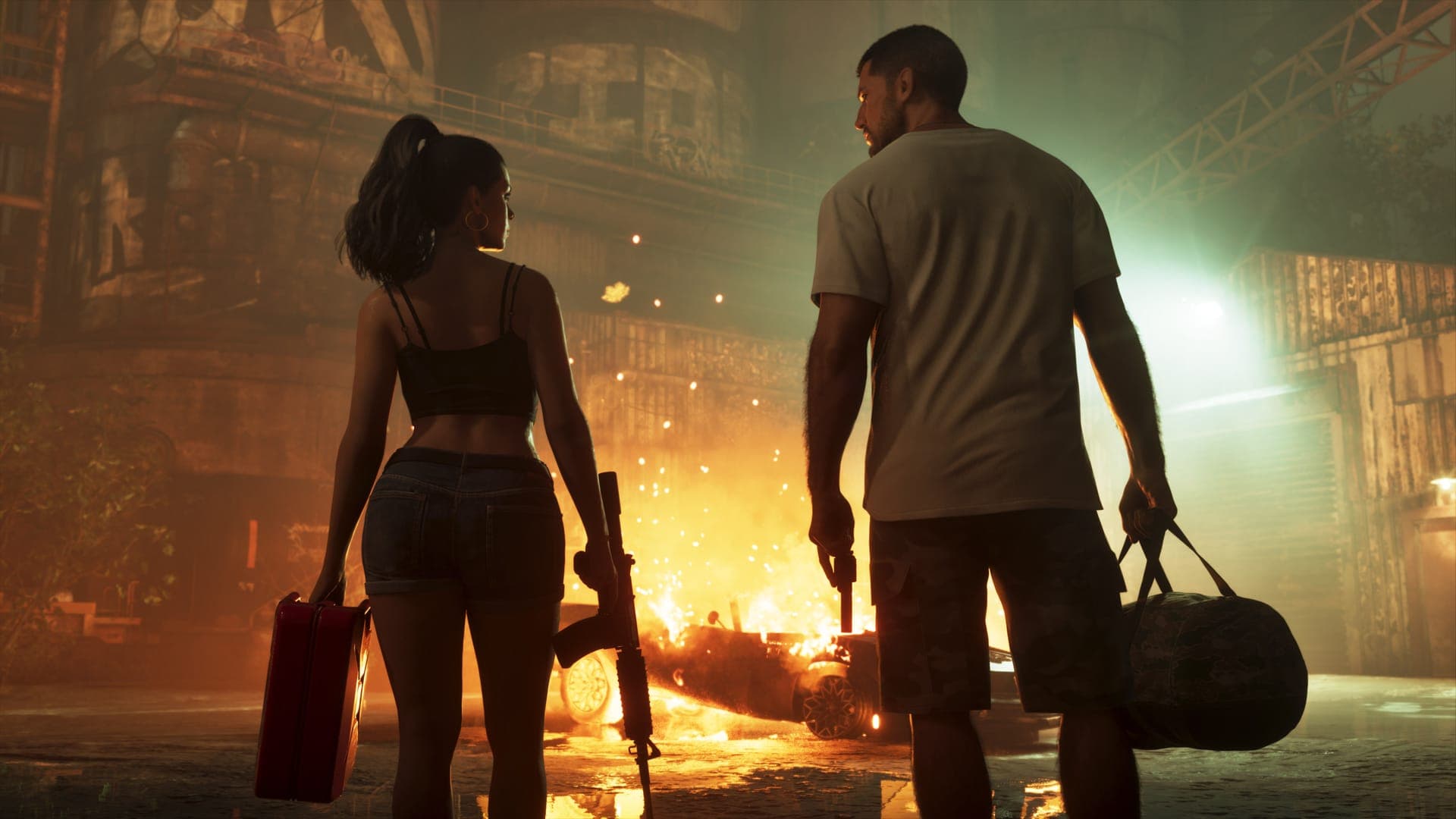
GTA 6 Platforms and PC Status
Consoles are confirmed for launch; PC has not been officially announced. Here is how to read that gap without inventing dates.
2 min read
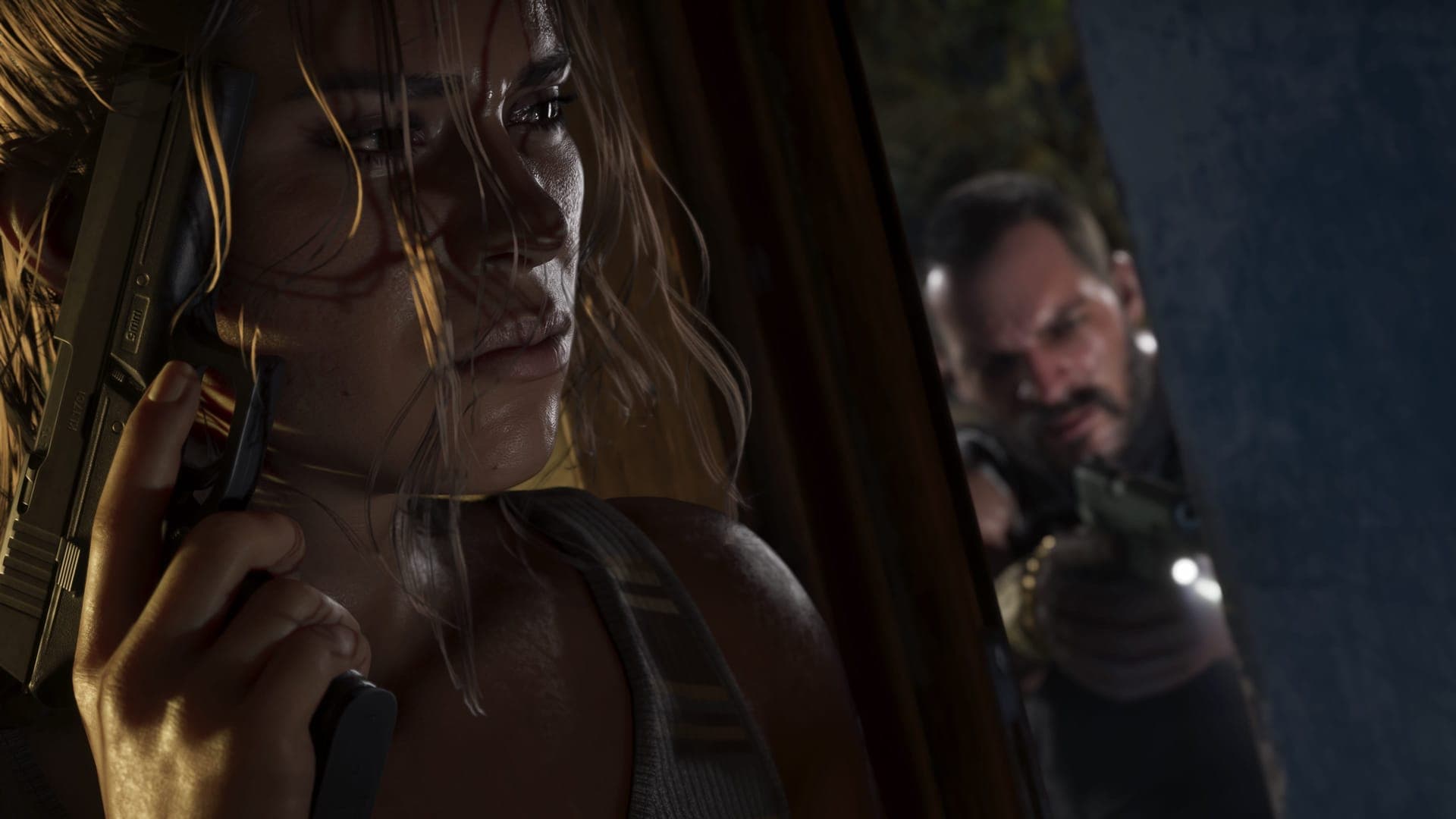
GTA 6 Trailer 2 Breakdown
Trailer 2 expanded cast, places, and crime texture. What is safe to take as official signal.
1 min read
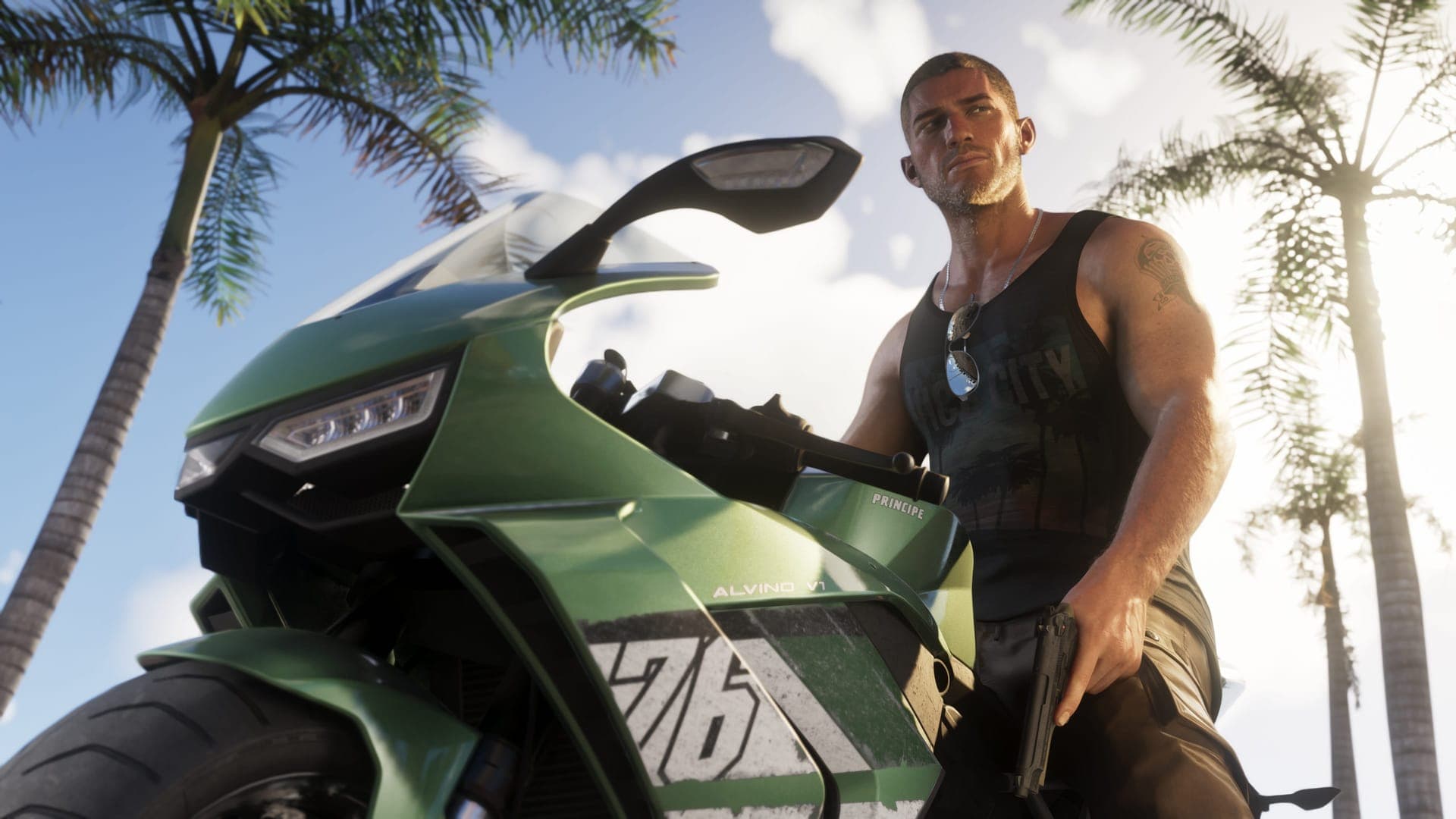
GTA 6 Trailer 1 Breakdown
What Trailer 1 officially showed about Lucia, Jason, Vice City energy, and how to watch it without rumor noise.
1 min read